WINTER 2025 ISSUE

Danny Smiles
Finding beauty in the simplest notes

By Joey Franco
Photography by Haven Creative Space
In a city built on contrasts–old-world and modern, indulgent and humble–few chefs embody Montreal’s duality quite like Danny Smiles. With his trademark grin and easygoing demeanor, he’s one of those rare figures who make fine dining feel unpretentious.

“I love simplicity,” he says. “Even in a fine dining setting, the ingredient shines and will always shine. That’s what’s important to me.”

For Smiles, simplicity isn’t a lack of ambition—it’s a philosophy. The same way a guitarist can make three chords feel like a symphony, he finds emotion in a tomato, a drizzle of olive oil, a perfect piece of bread. He likes simplicity in the kitchen the same way he likes simplicity in music.

“Growing up and listening to Nirvana–that’s three chords, you know? It’s simple, but it hits so hard.”

He draws an effortless line between sound and flavour.

“Studying music and listening to jazz, that’s complicated. I appreciate it, and that’s the technique part of it. That’s the love that I have for French cuisine; it’s that jazz technique. And then I have the Nirvana, which is the Italian.”

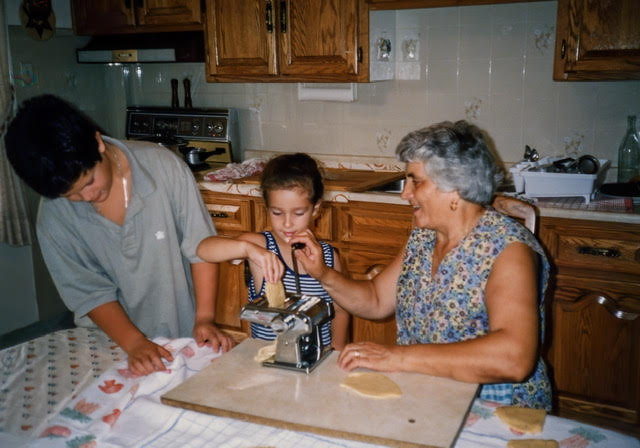
Smiles’ story begins in the Montreal borough of Anjou, Quebec, where the smell of simmering sauce and fresh tomatoes filled the air. His father, an Egyptian who worked for Alitalia and spent much of his time in Italy, brought a deep connection to the Mediterranean. His mother, an Italian-Canadian born in Montreal, kept those traditions alive at home.

Saturdays were sacred in his household.

“My dad used to shop like a chef,” he recalls. “He used to buy the meat at a butcher shop. We would go to Milano in Little Italy, grab a sandwich, grab a coffee, and it was like a whole thing. And then my dad would cook this elaborate meal on a Saturday. After the grind of all week, having a beautiful meal on a Saturday with your family, there’s nothing like it.”

Those routines, he says, became lessons. “I saw the importance of gathering ingredients at a young age. I saw the importance of food. I saw the importance of tradition. You don’t know it at that age until you grow up, have a family of your own, and you’re just trying to recreate those memories.”

Subscribe today for only $3 per issue

Winter Wakeup Call

The countdown to Milano Cortina 2026 sparks Olympic excitement

By Silvana Longo, Travel Editor

Winter and I have never been the closest of friends. After the sparkle of the holidays, January and February tend to blur into homebody rituals: clearing out closets, reorganizing drawers, waiting for spring to stretch its arms again. But come February 6, 2026, the humdrum haze promises to shatter in spectacular fashion. On that evening, the world will turn its gaze to Milan, where San Siro Stadium will ignite with the Opening Ceremony of the Winter Olympics. And suddenly, winter won’t feel so grey.

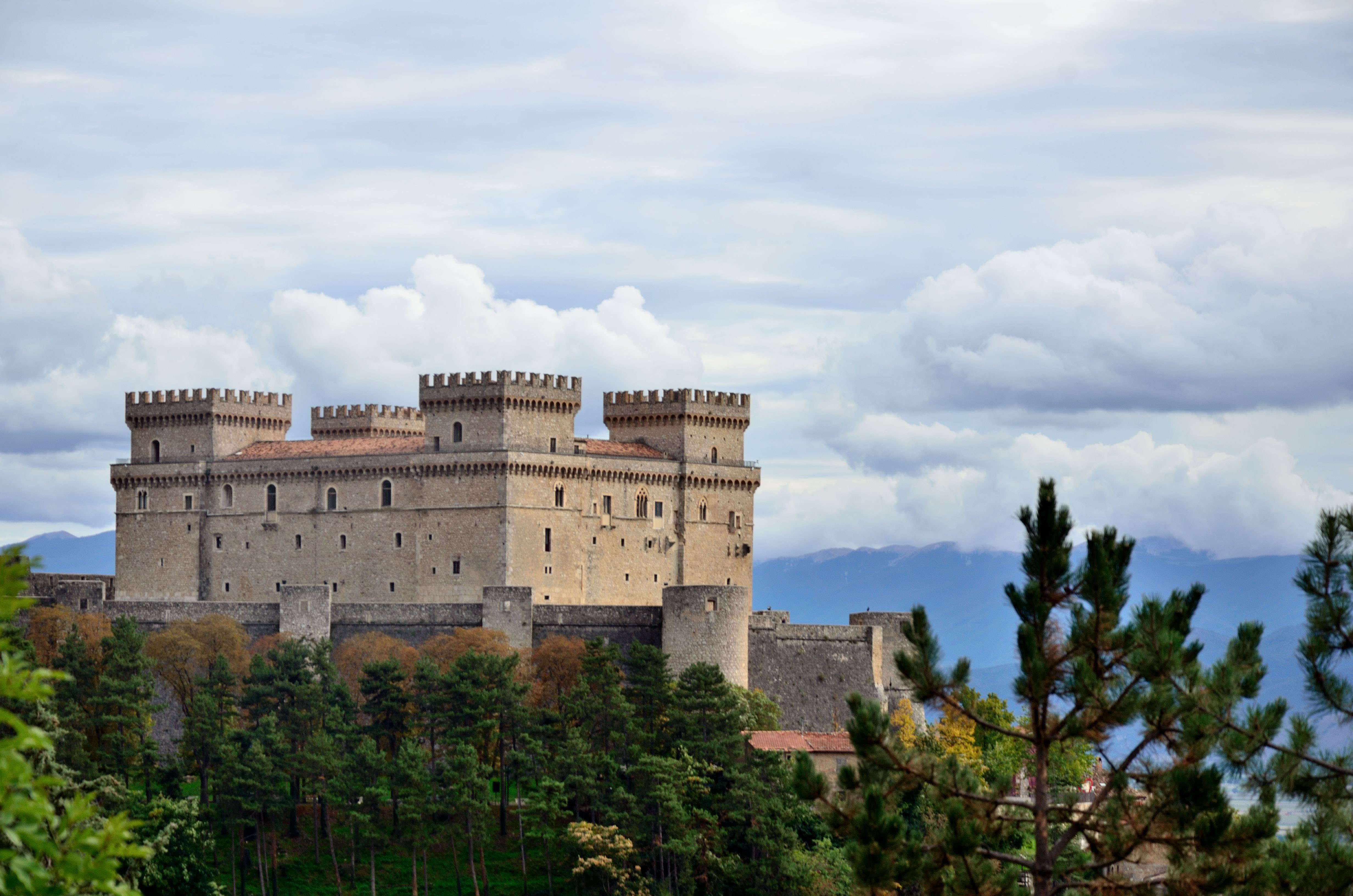
I got a taste of the excitement brewing in July when I attended the Milano Cortina 2026 International Road Show and had the privilege of meeting Andrea Varnier, president of the Games, during their Toronto stop. Throughout the presentation and the panel of past and present athletes, the thrill of what is to come was palpable. Varnier, a veteran of international sporting events and one of the key figures behind Torino 2006, spoke passionately about how these Games will be rooted in Italy’s unique identity, landscapes and traditions.

“We are not just building an Olympic Games,” he told me, “we are showcasing a way of life.” That way of life will play out across Lombardia, Veneto and Trentino-Alto Adige in a few short months—a model unlike the more centralized Torino 2006 edition.

“Milano Cortina 2026 is bold, sustainable, inclusive and deeply rooted in place,” Varnier emphasized. Boldness, he explained, lies in reimagining the Winter Games across diverse regions, connecting metropolitan Milan with mountain villages and cultural landmarks. Sustainability comes to life through the reuse of 85% of the venues, most notably the decision to host the Paralympic Closing Ceremony in Verona’s Arena, a first-century amphitheatre newly made accessible. “It is not only about efficiency; it is about cultural continuity and accessibility,” Varnier said.

For Italians, these Games will be both a continuation of Torino’s legacy and a leap forward. Torino 2006 modernized infrastructure and ignited national pride; Milano Cortina 2026 builds on that with a renewed focus on digital in-novation, inclusion and long-term community benefit.

As Varnier explained: “What must evolve is the way we deliver the Games: closer to people, closer to communities and closer to the future.”

Subscribe today for only $3 per issue

Where to Buy Italian Holiday Sweets

By Cassandra Marsillo & Rita De Montis

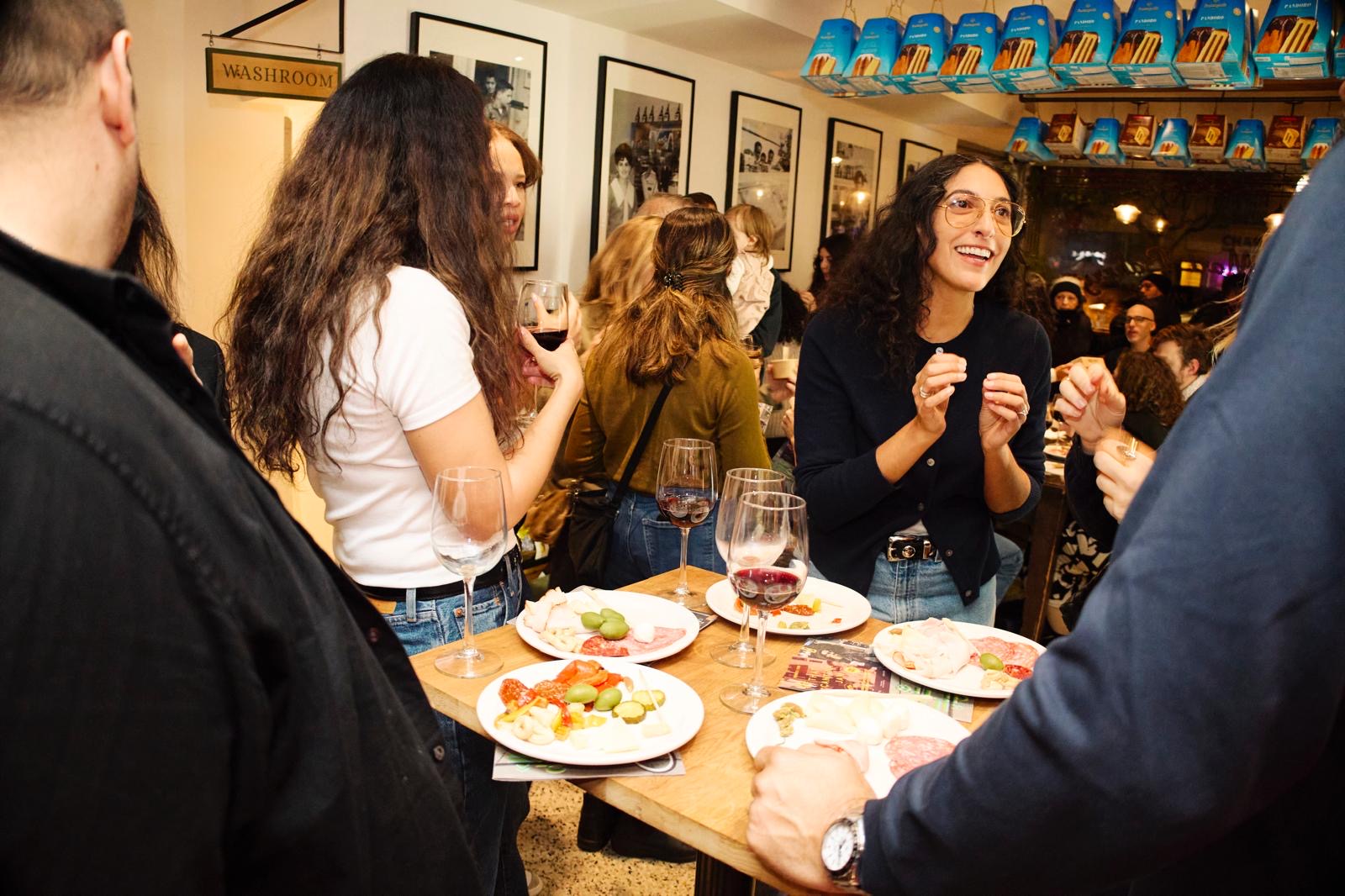
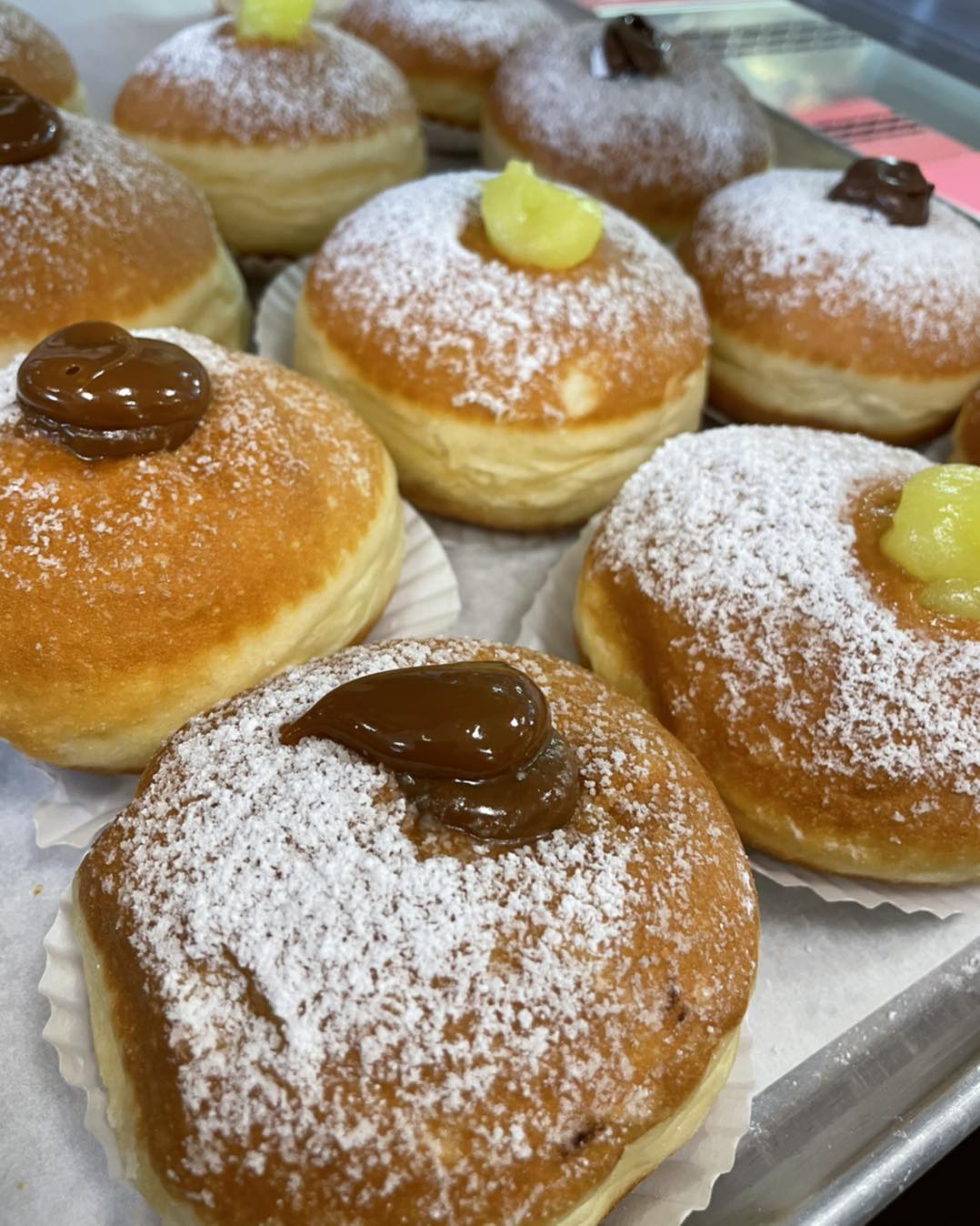
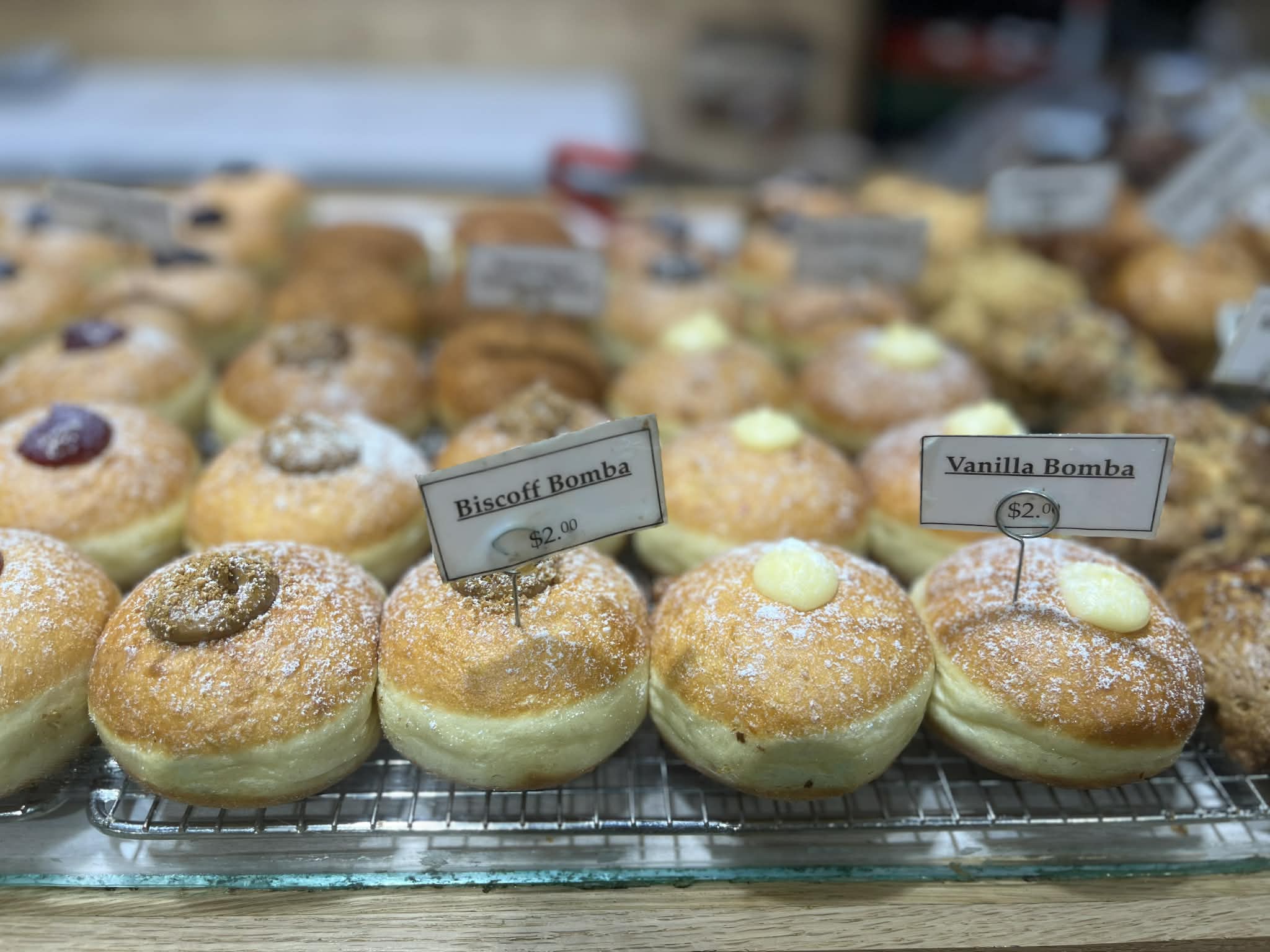
Every Italian-Canadian holiday season begins long before December—somewhere between the scent of roasted nuts, citrus peel and bubbling mosto cotto. Across Montreal, Ottawa and Toronto, artisans and families prepare the confections that make Christmas sparkle: cartellate glazed in honey, cuccidati bursting with figs and almonds, croquembouche towers worthy of any festive table. From neighbourhood bakeries to long-standing family shops, these treats celebrate heritage as much as indulgence.

Whether you crave Sicilian citrus, Calabrian spice or Pugliese fritters soaked in wine must, here’s where to savour Italy in Canada this Christmas.

Subscribe today for only $3 per issue

The Taste of Tradition

Bringing regional Italian recipes to Canada

By Cassandra Marsillo
Header Photo by Vincenzo Tarantino

The richness of Italian cuisine lies in its hyper-regional roots with recipes born from the land, handed down through generations and steeped in memory. Each dish carries the imprint of a place, a family and a story. Across Italian-Canadian households, November marks the quiet beginning of a cherished ritual: the gathering of ingredients for the grand production of Christmas sweets.

These once-a-year delicacies— fragrant with fruit preserves, honey, nuts, citrus, and mosto cotto (concentrated grape must) —were historically a well-earned indulgence after a year of thrift and hard work.

Today, artisans like Tania Lancia of Pâtisserie & Boulangerie Italia, Joey Musumeci of Pâtisserie St-Martin Laval, Pierpaolo Sansone of La Panzeria, Giovanna Vella and her Nonna Angela of Manuzza, Enzo Ferlisi of Giro d’Italia and Francesca Bellantone of Dolci Sapori keep these traditions alive. Through their restaurants and bakeries, they bring the warmth of regional Italian holiday baking to communities across Montreal, Ottawa and Toronto, proving heritage can be both preserved and shared, one sweet bite at a time.


Learning and connecting

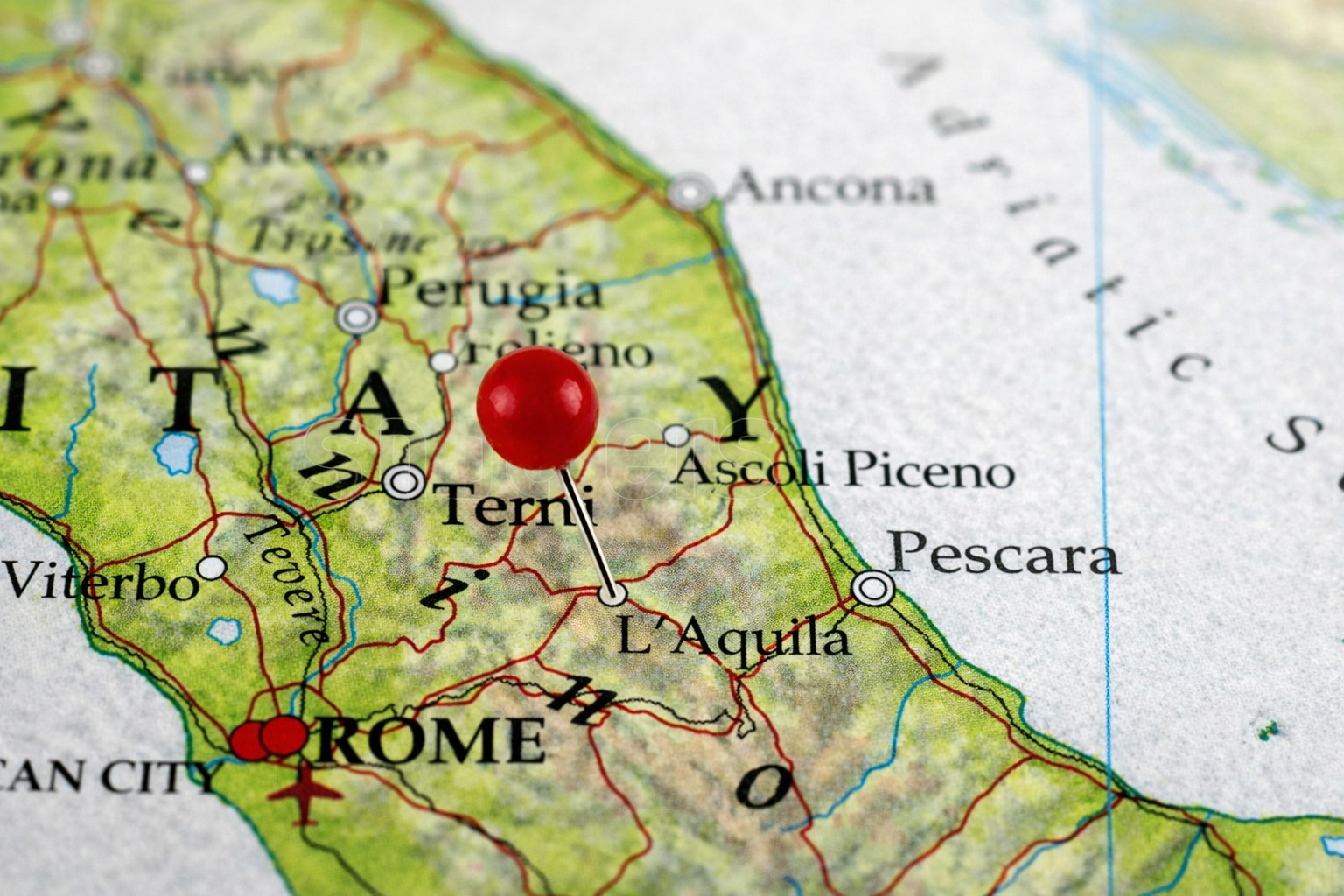
Italian cuisine, in many ways, was reborn through its diaspora. As Italians left their hometowns for new beginnings abroad, they carried with them more than luggage; they brought flavours, customs and the instinct to gather. Across North America “Little Italies” became living archives of regional cooking, where recipes from Sicily met those of Abruzzo or Veneto, gradually blending into what the world would come to know simply as “Italian food.”

Yet, inside the home, those older, more local identities persist. The recipes shared at the family table remain deeply tied to place a town, a grandmother’s memory, a harvest.

Beyond the home, however, Italian food evolved into a new language of comfort and familiarity: penne alla vodka, chicken parmigiana and spaghetti and meatballs. Such dishes were born of adaptation rather than inheritance. They reflect creativity and survival, but not necessarily the cuisine of nonna’s kitchen.

Some, however, have always existed between these two worlds. The artisans featured in this story straddle the line between nostalgia and innovation. And lately, they’ve noticed something remarkable.

Subscribe today for only $3 per issue

Cartellate with Fig Vincotto

Recipe courtesy of Pierpaolo Sansone from La Panzeria

A traditional Christmas dessert from Puglia, cartellate are delicate, rose-shaped sweets made from a simple dough made with flour, olive oil and wine. Once fried, they are dipped in warm fig vincotto, a syrup made from slow-cooked figs. Using fig rather than regular vincotto gives the cartellate a deeper, fruitier aroma with a rich caramelized flavour.